It was 9 PM on a Thursday. I was sitting in my classroom. Red pen in one hand. A teacher’s edition textbook was threatening to slide off my lap. Trying — really trying — to figure out how I was going to make the French Revolution interesting to a bunch of 14-year-olds. You know what most of them had for lunch? Neither did they. I looked at my half-written lesson plan and thought, this is ridiculous. There has to be a better way.
But let me back up. I was never the type to jump on every new tech trend. Remember when everyone thought QR codes were going to revolutionize education? Yeah, me neither. So when ChatGPT first started making waves, I rolled my eyes. Another tool I do not have time to learn. But then a colleague — let us call her Sarah — sat me down and showed me what she was doing with it. And I have to admit, I was wrong.
Here is the thing nobody tells you about lesson planning: it is not the teaching part that wears you down. It is the planning. The formatting. The endless tiny decisions about whether to do a think-pair-share or a quick write. The standards alignment takes twice as long as it should. That stuff adds up. And it is absolutely the kind of thing you can — and maybe should — outsource to a machine.
My First Attempt Was a Train Wreck
I am not going to pretend my first AI lesson was good. It was not. It was awful, actually. The language was stiff. The activities were boring. And there was this weird moment where ChatGPT suggested students “reflect on the material in small groups” — which, if you have ever taught middle school, you know is code for “throw paper airplanes at each other for fifteen minutes.”
I almost gave up right there. Honestly? I should have. Because the way I was using it was wrong. I was treating ChatGPT like Google — type in a few keywords, expect magic. That is not how it works. At all.
Learning from My Mistakes
So I took a step back. I reread my lesson objectives. I scrolled through a few YouTube videos on using AI in education. I even called up Sarah for a caffeine-fueled brainstorming session. My focus shifted from simply asking questions to being specific about what I really needed. It’s like ordering coffee: “I’d like a tall, non-fat, caramel latte” is way better than just saying “I want coffee.”
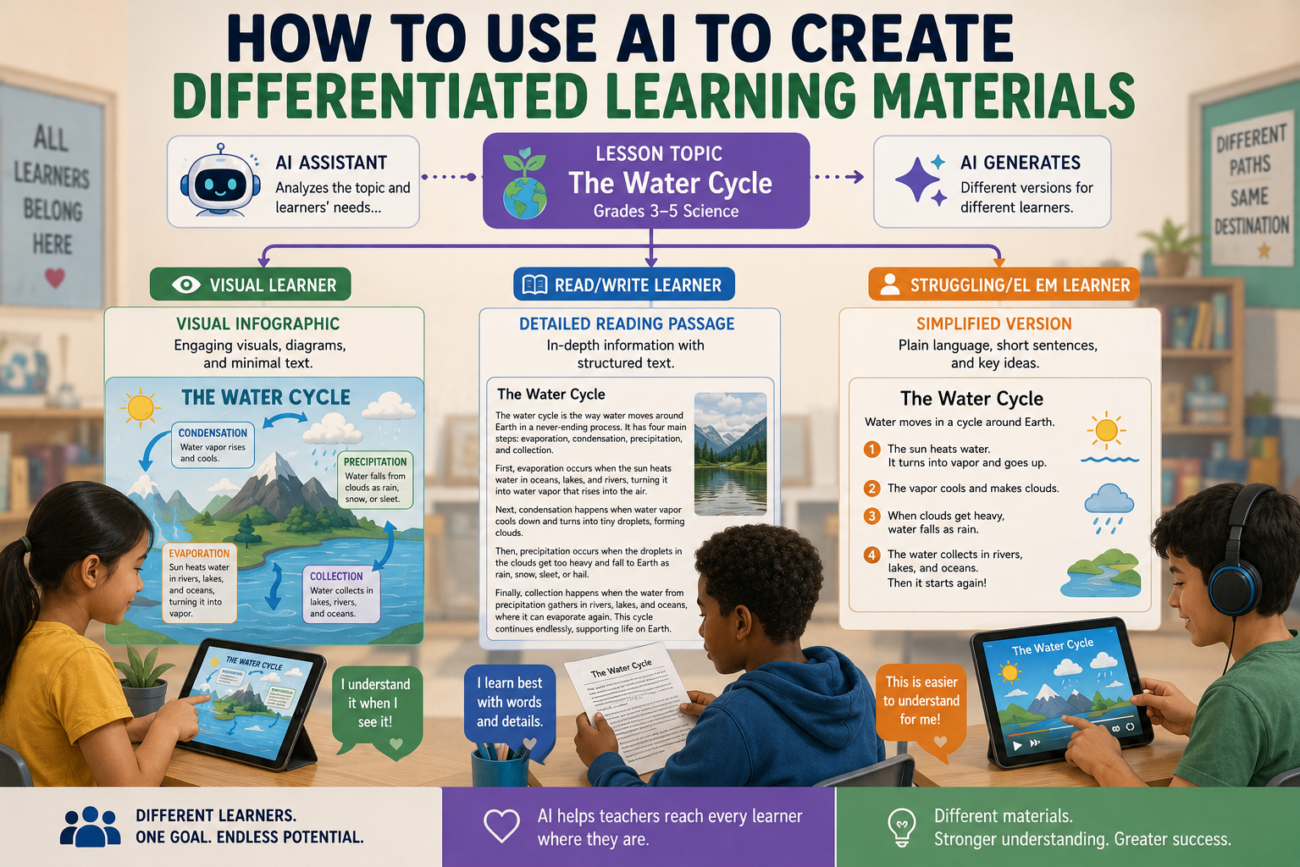
After some trial and error, I crafted a prompt for ChatGPT that looked something like this: “Create a lesson plan on the French Revolution for eighth graders that includes differentiated activities for students at varying reading levels.” I hit enter and held my breath.
The results? A game-changer. ChatGPT gave me a scaffolded lesson plan with tiered reading materials, engaging multimedia suggestions, and activities that were actually fun. Some students could read primary sources directly, while others got easier texts with summaries. I could hear my students actually engaging. It was like I was a magician suddenly pulling rabbits out of hats.
What Worked: Specific Examples
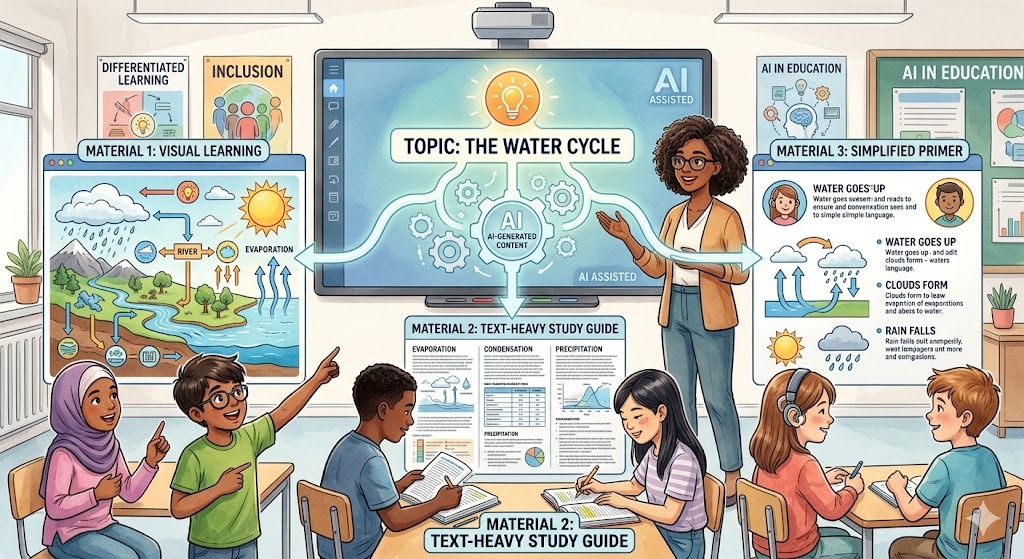
In one lesson, I had students break into groups based on their reading levels. The higher-level students analyzed original documents, while the lower-level ones worked with illustrated summaries. Thanks to AI, I had everything prepped and ready. I created a simple Google Slides presentation with visuals to guide each group, and I didn’t lose my sanity in the process.
Another time, I had the AI suggest interactive activities. It recommended using a digital timeline tool, where students could drag and drop events from the revolution. I thought, “No way that’s going to work.” But guess what? Engagement levels soared! The feedback was incredible. “This is fun!” and “I love dragging things!” — from my ninth graders! I almost spilled my coffee.
Assessing and Reflecting
Of course, I was nervous about assessing all these varied outputs. I decided to employ a simple rubric that focused on key skills rather than a one-size-fits-all method. Each student had different tasks, but I could instantly see who was grasping the material and who needed more help. It took me a few minutes to grade, compared to hours before. I was able to give personalized feedback that my students actually read. Imagine that!
FAQ Section
1. Isn’t AI just going to take over teaching?
Not at all! Think of AI as a very smart assistant. It helps with planning because we teachers all know the real magic happens in the classroom — the human connection, the inspiration, the moments of joy.
2. How do I get started with using AI?
Start small! Try creating a lesson plan for a familiar topic. Don’t expect perfection. Just get comfortable with the tool and learn as you go.
3. What if my students don’t like it?
Change is hard, and some students will resist. But if you communicate the benefits and keep it engaging, they’ll come around. Plus, who doesn’t love digital timelines?
4. Can AI really help with differentiated learning?
Absolutely! AI can generate tailored materials that suit the needs of your diverse learners. It’s like having a personal teaching assistant who never sleeps!
5. Isn’t this just more work for me?
It can feel like more at first, but I promise, once you get the hang of it, you’ll save tons of time. Less stress, more teaching!
6. What if I mess up again?
Welcome to the club! Learning curves are real, but each “oops” is a chance to improve. Trust me, I’ve had my fair share of blunders. Learn and pivot!
Final Thoughts
So here I am, sipping coffee at my desk, with a sense of hope and excitement about lesson planning. I’ve seen firsthand how AI can transform mundane tasks into something dynamic, fun, and beneficial for both my students and me. Sure, I’ve fumbled, but it’s been worth every trial and error. If you’re hesitant, remember: We’re in this together! Dare to experiment, and let AI elevate your teaching game like it did for me. Who knows? You might find yourself enjoying lesson planning — or at least surviving it with a smile.
